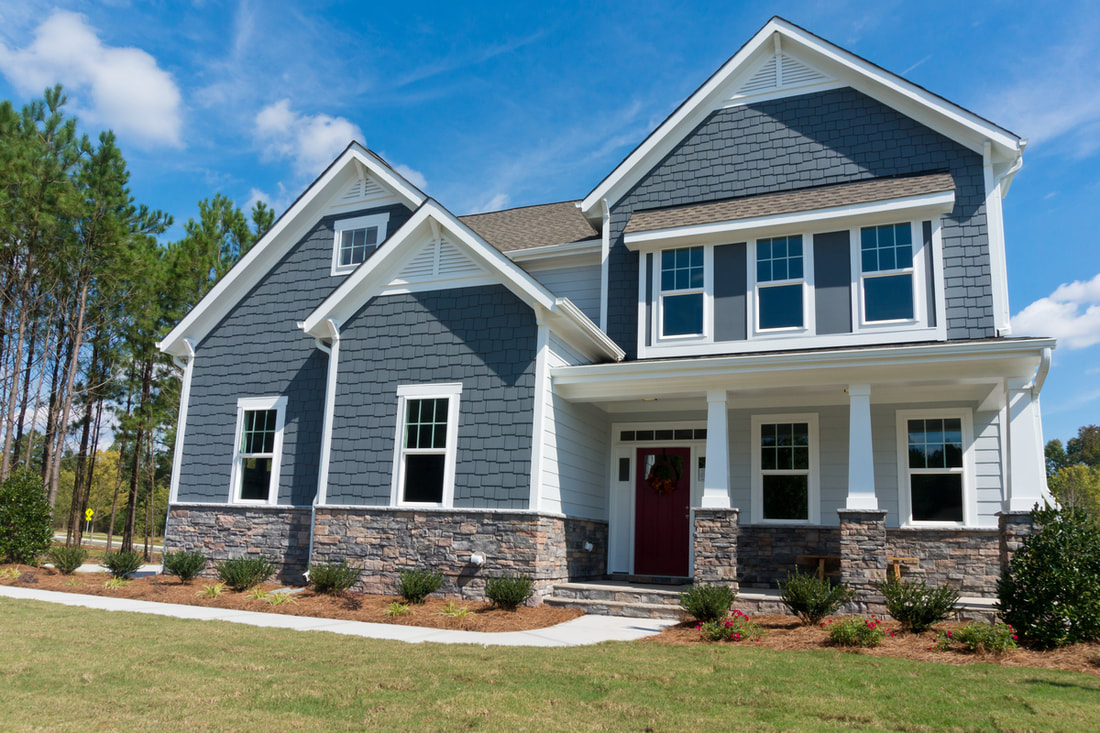
 Famous for its durability, beauty, and ability to adequately protect the exterior of a house, siding is the top exterior material of many homeowners today. Siding defends your home from the harsh elements of the outdoors, keeping your indoors safe and comfortable year-round.
However, the same factors that make home exterior siding so vital to a home's protection also undermine its performance over time. Often, long-term exposure to bitter cold, hot sun, high winds, and precipitation eventually wreak havoc on exterior siding. While this material degradation may take decades to occur in properly maintained siding, instances can arise that simple repairs or painting won't resolve. As a homeowner, you must recognize when your home's siding needs to be replaced. If you notice any of the following issues with your siding, you may need to consider repair and maintenance to avoid total replacement. Rot Siding is supposed to protect your home from the harsh elements of the weather outside. When siding becomes compromised, water and moisture can create rot. If your siding has begun to rot and crumble, it can not perform its vital role of protection for your home. In some cases of localized rot, repairs may keep the decay from spreading. However, if the siding has corruption spread across large areas, replacing it with non-rot siding material may be time. Cracks Holes and cracks are not only unsightly but are also cause for concern when it comes to the health of your home's siding. Structural integrity may be compromised when siding has cracks, holes, and gaps where insects infiltrate and water seeps into the exterior spaces. It would be best if you repaired these damaged areas as soon as possible to prevent further problems down the road. Hard To See Hazards We recommend that homeowners inspect their home's siding annually as many hidden hazards can eventually become significant problems. When examining your house's siding, look at it from several different angles to determine if any siding is bulging or warped. Panels that are no longer lying flat may be the tip of the iceberg, signaling more extensive issues are threatening the structure. If you feel like you need a pair of expert eyes when it comes to assessing your home's exterior siding, call a professional contractor who can diagnose, advise, and repair or replace any siding that is compromised. Your home's structural integrity depends on the health of its siding. Making repairs or replacing compromised or outdated siding will ensure your home is protected for years to come.
4 Comments
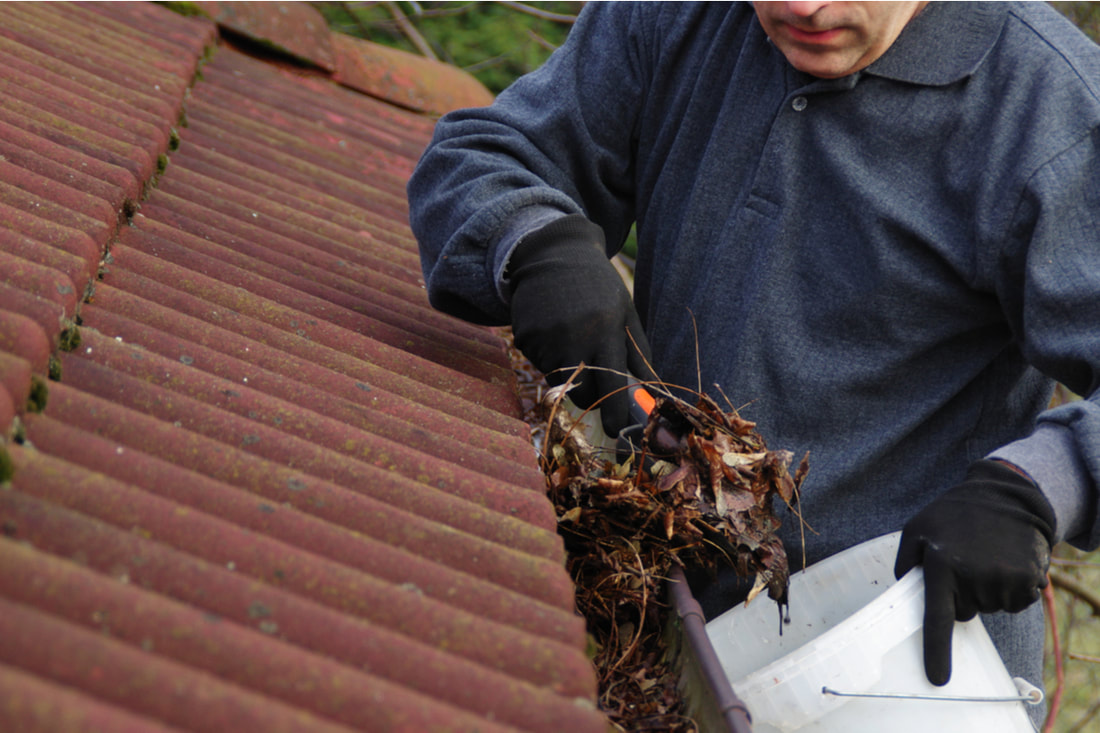 Most people take a lot of pride in the homes they own. The only way to keep your home looking and functioning great is by investing time and money into improvement/repair projects. If you want to find out about the issues your home has before extensive damage occurs, then performing routine inspections on a monthly basis is a wise move.
Taking a look at the gutter system attached to your home’s roof is a must when performing these in-depth inspections. During the inspection of your gutter system, you need to keep an eye open for some of the signs below that indicate this system needs to be repaired. The Gutters Are Pulling Away from Your HomeThe gutters attached to your home have to be mounted properly to function correctly. If these gutters are not snugged tight to the house, it is only a matter of time before water damage occurs. Are your gutters starting to pull away from the side of your home? If so, this is an indication that it is time to call in professionals to take a look at your gutter system. In most cases, this problem is caused by the gutters being weight down with either water or debris. If this debris or water isn’t removed, it is only a matter of time before this system collapses. Trying to clean the gutters without the help of professionals is a recipe for disaster. This is why you need to call in professionals to clean your gutters. At Boyd Construction Co., we can get your gutters cleaned and back in good working order in a hurry. Peeling Paint Is Never a Good Sign The paint applied to gutters is designed to withstand the punishment that Mother Nature dishes out. Unless the gutters on a home are very old, paint problems usually won’t be a problem. However, if your gutters are relatively new and the paint on them starts to peel, then you need to take notice. Generally, this problem is an indication that there are water drainage issues present. If the gutters are retaining water, it is only a matter of time before other significant damage takes place. By allowing a professional to diagnose the cause of your peeling gutters, you can address these issues with ease. The Presence of Gutter CracksAnother problem that you may notice when gutter repairs are needed is substantial cracks. Some homeowners ignore gutter cracks until they start to grow. If you detect smaller cracks in your gutters, you need to get them fixed before they get any worse. In some cases, the only way to address this problem is by completely replacing the gutters. The money invested in new gutters will be worth it, considering the damage they can help you avoid in the future. If you have noticed one or more of the problems mentioned in this article, it is time to schedule professional gutter repair. Boyd Construction Co. is here to help you fix your broken gutter system.  Are you planning on selling your home and are looking for ways you can increase its value? Unfortunately, many people often find themselves in this situation without any fundamental ideas on improving their properties equity. Most of the time, people end up throwing away money into unneeded services in an attempt to raise the value of their house, only to find out later it was all a waste of time and cash.
Luckily, there are some proven ways that you can increase the value of your property instantly. So, without further ado, here are the three best methods. Ensure A Pest Free Structure The first thing that you can do is to have your home inspected for termites. Termites can cause severe structural damage that can devastate your home. Nobody wants to buy a home that is infested with termites, so it is best to have your property professionally inspected before trying to sell it. Most termite problems can be easily managed with professional help and treatment; however, sometimes, the termites have caused so much structural damage that you may need to contact a renovation company. Regardless of whether or not you suspect your house to be termite-infested, it is always good to have it inspected. Start At The Top The second thing you can do if you want to increase the value of your home is to ensure that the roof is in good shape. Most people forget about the top of the house, even though it’s arguably an essential part. Roofs are exposed to intense weather regularly and can start to accumulate damage after a while. Often, this damage will go unnoticed unless you have your roof inspected by a professional. A professional roof repair service will inspect your roof for any damage and repair it accordingly, raising your home’s value tremendously. Repair Brick Siding The next tip is specific to brick homes. Homes made of brick are extremely tough and resilient; however, they too are susceptible to damage and wear. The bricks of your home are exposed to water, wind, dirt, and debris, which can break down the bricks and lead to cracks and gaps in your wall. If left untreated, these cracks and holes can increase in size leading to more severe damage. If you notice any damage to the bricks of your home, then contact a local brick repair company to have them check it out. Their professionally trained experts will know exactly what to do and have your home good as new in no time. Remember, putting effort into making any necessary repairs to your home before putting it on the market for sale will ensure a better return on your investment. 6/30/2021 32 Comments Benefits Of Roof Coating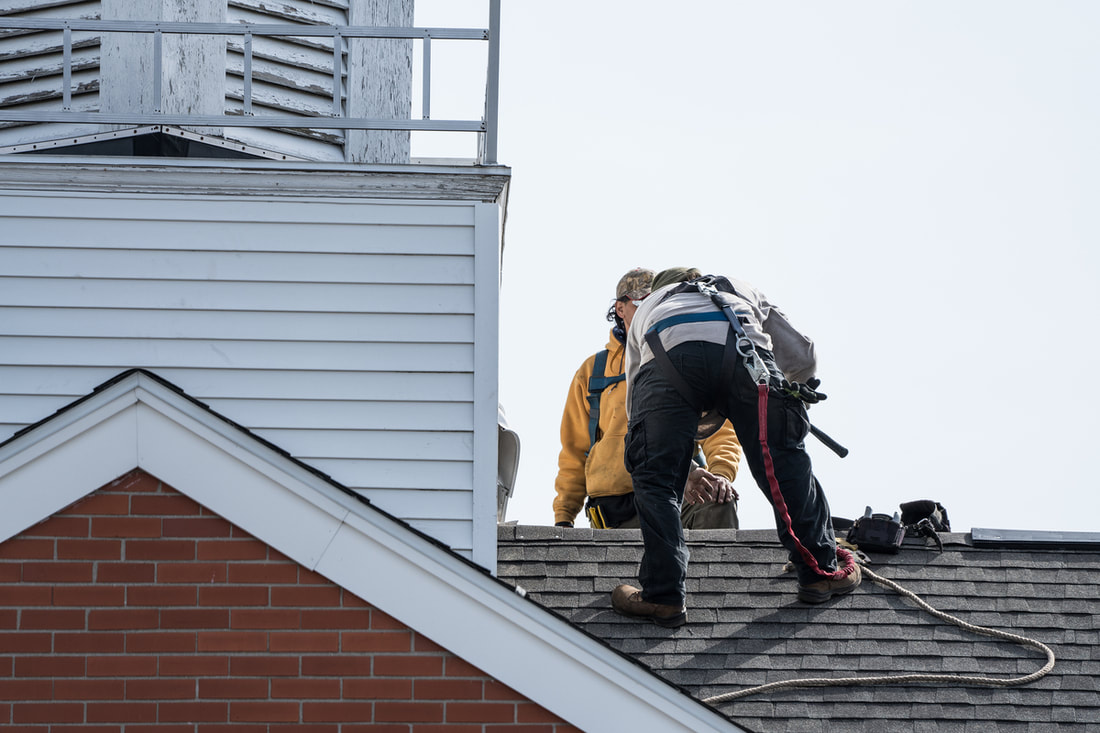 At Boyd Construction, we are experienced pros at the process of using modern coatings and sealants on a roof area. We help to handle many roofing projects in the Columbia, MD area, where using one of these protective coatings enhances what you get out of a roofing installation.
Here are some of the major benefits of getting roof coatings applied to your property’s roof system. Think about how this could work to help you to safeguard your investment in your home or other property, and how a good professional partner can provide value. Extended Roof Life Essentially, the roof coating helps to protect what's underneath and adds longevity to your primary roof system. Part of this involves UV protection, where the coating can absorb or deflect various types of sunlight that can have a wearing effect on the roof over time. Then there's a waterproofing that prevents various kinds of leaks, which is obviously valuable for nearly any kind of roofing system. All of this is a prime reason to invest in a roof coating that is made for roof protection and better long term results with overall property maintenance. Ecology and Cooling In many cases, roof coatings also provide some amount of natural cooling for a building. Choosing materials and colors that will deal with heat can complement any interior weatherproofing and HVAC system. That’s something to keep in mind for any residential or commercial property. Not all energy-saving design is high-tech or working on the basis of burning fossil fuels for energy! Unintrusive Maintenance Then there's the job itself. Unlike a full roof replacement, a roof coating does not require a lot of noise or intrusion into the building envelope itself. These jobs are easy to do and easy to schedule, so that they don't disrupt the natural life of those who live and work in the building. Appearance Getting these types of installations just makes your roofing system look newer and more put together. That can add to the property’s curb appeal and resale value. If all of this sounds good to you, think about getting one of these modern roof coatings applied at your property. We can provide the muscle to get a job done well, without a lot of hassle. Take a look at the rest of the site and contact us for help around Columbia, MD. We are licensed, bonded, and insured, (and we have a great rating on Angie’s List! Thanks, Angie!) and our experienced teams know their work. 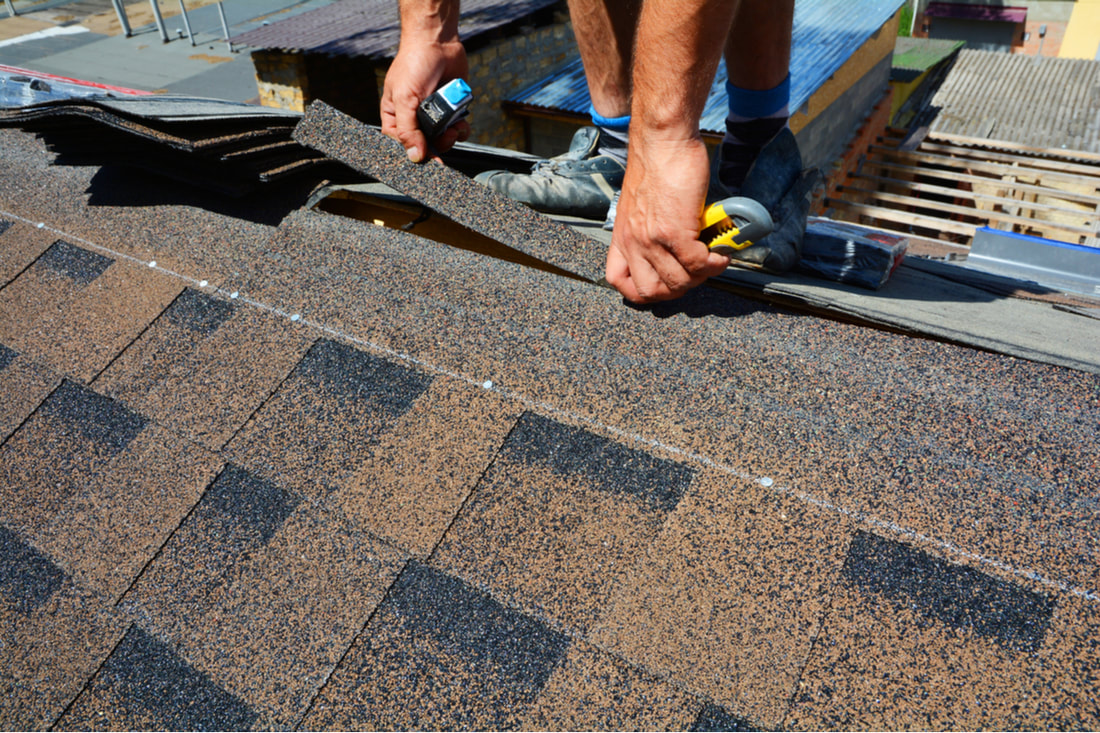 Buying a new roof can be a very expensive undertaking. Most homeowners do all they can to control the amount of money they have to spend on repairs. One of the main things you have to focus on when trying to reduce the severity and frequency of roofing repair issues is to maintain this essential part of your home. A lot of damage can occur if you simply ignore the maintenance needs that your home’s roof has.
When provided with the right amount of care, the roof on your home can last for years to come. Extending the life of your roof will not only save you money it can also help you avoid damage to the interior portion of your residence. Are Your Gutters Clean?Keeping your roof in good working order will require lots of hard work. Homeowners around the United States spend millions of dollars annually in an attempt to avoid serious roofing repair issues. One of the main areas you need to keep an eye on when trying to avoid roof problems is your gutter system. When this system is working properly, it will remove rainwater from your roof and send it away from the foundation of your home. However, if the gutters are clogged or damaged, it is only a matter of time before flooding issues start to surface. This is why inspecting your gutters on a monthly basis is a wise move. If you notice tons of leaves and sticks in your gutters during this inspection, having them cleaned by professionals is your best course of action. With the help of the professionals at Boyd Construction Co. Inc., you will have no problem getting your gutters cleaned the right way. Overhanging Branches Can Become a Big ProblemThere are a number of outside forces that can do significant damage to your home’s roof. For instance, if there are large limbs hanging over your roof, you need to handle this dangerous situation with care. When strong winds move into your area, these overhanging limbs can quickly become harmful projectiles. In some cases, a fallen limb can puncture your roof, which can lead to significant leaks and water damage. If you want to avoid these common problems, you should hire professionals to trim these limbs. With their assistance, you can remove these hazards from your property. Allow Professionals to Inspect Your RoofMost homeowners know very little about how to maintain their roofs. This lack of knowledge can result in a variety of mistakes being made. Getting a true assessment of the overall condition of your roof is only possible when working with professionals. An experienced roofing contractor can inspect your roof and pinpoint any problems that might be present. Addressing these problems early on will reduce the amount of damage they cause. Now that you know about the importance of maintaining your home’s roof, it is time to get to work. If you need roof repairs or maintenance, we are here to help. 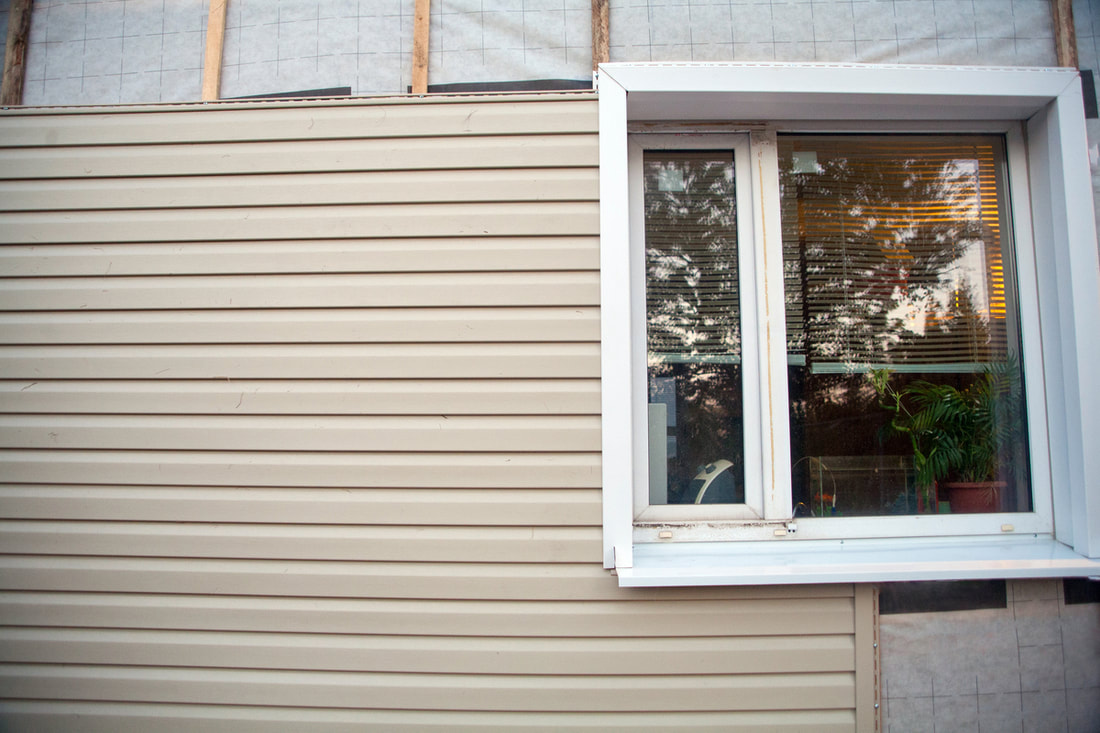 An important element that helps protect everything inside your home is the siding. While this may not be the most exciting renovation project, it is extremely important. This is especially true since the siding’s lifespan depends on what it is put through.
Getting to know some of the biggest threats to your home’s siding will help you prevent problems and increase its longevity. Keep reading to learn what these threats are. PestsIf you have wood siding, it is important to note that it is particularly vulnerable to pests. This includes everything from carpenter bees and meal bugs to woodpeckers and anything else searching for sustenance and refuge. Your siding offers both these things. Termites can tunnel through the wood, so will powder post beetles. As the situation gets worse, it will limit how protective your siding is. However, it is not just the wood that may be impacted. Some of the other siding components that are supported by the underlying wood structures will also become vulnerable. If you want to keep pests from destroying your siding, consider using insecticides. You can also run hot water in the area. Other options include using eco-friendly products on the nearby trees that may be the source of the pests. This lets you eliminate them without causing damage to the trees. MoistureSiding is uniquely designed. It is built and installed to help keep moisture out. If the siding is damaged, even if you can’t see the damage that has occurred, moisture can quickly become a serious and damaging problem. This is true no matter what type of siding you have installed. Some of the top signs of moisture impacting your siding and, as a result, your home is buckling and warping. Improper Maintenance HabitsMost of the siding available today is touted as being low maintenance. It’s important to note that this does not mean any maintenance. You cannot neglect your siding and expect it to continue standing up to the elements. You must have your home’s siding inspected regularly. This is especially important after severe weather moves through your area. As time passes, the issues will accumulate, and you may find yourself in an “emergency” siding situation. However, with regular maintenance and a professional siding contractor, you can catch the smaller issues before they get bigger and more difficult to repair. Bad or Improper InstallationIt’s important to note that not all contractors are the same. Many don’t have the experience required to install siding properly. This can reduce its lifespan significantly. Take time to learn about the contractors in your area and find one that has experience with the type of siding you are having installed. If you notice any of the siding on your home is damaged or has other issues, don’t wait to call for repairs. The longer you wait, the bigger the issue will become and the more expensive it will be to repair. Keep this in mind to know when it is time to take action. 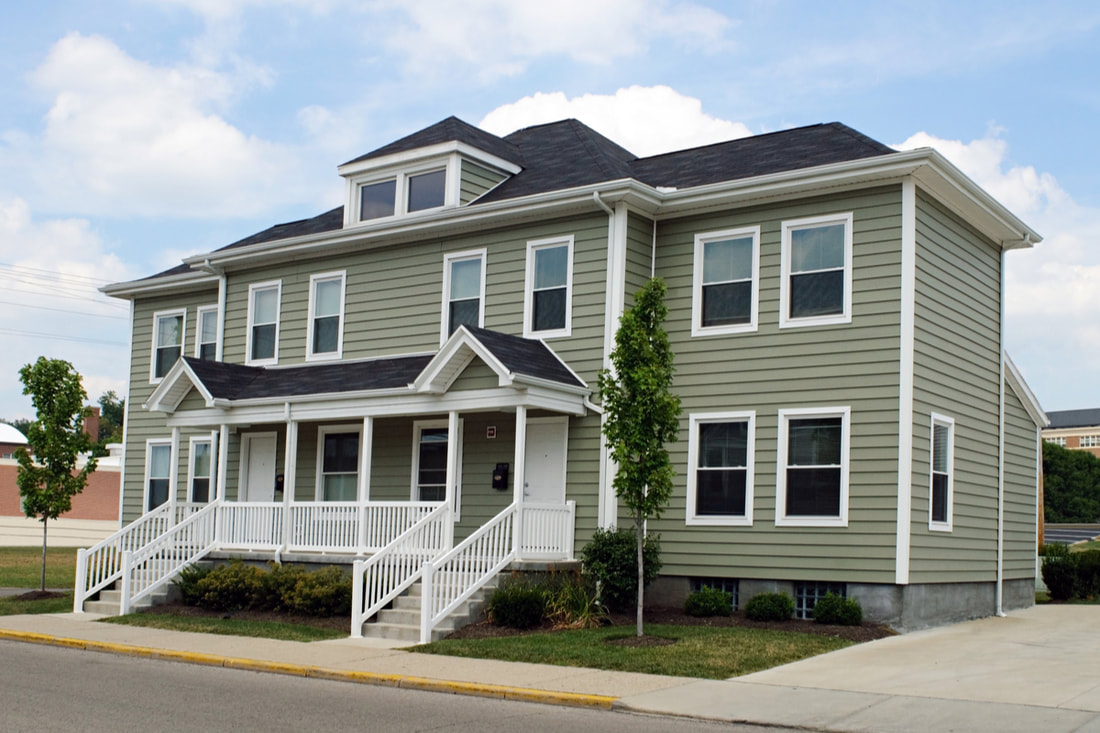 Here's a particular problem that comes up quite a lot for our customers – what do you do about shared roofing?
In a very general sense, the law usually says that a shared roof is the joint responsibility of two or more households or property owners. Having said that, there are various details that affect that reality, and some of them are related to how the building was designed. Others have to do with local laws and standards or other kinds of legal issues. But some also have to do with, quite simply, what’s practical. Being “On Top of Things” Some of us often say that a good roofing company needs to be on top of things. Then the rest of us groan at this ridiculous pun. But the idea behind it is anything but ridiculous – roofing companies simply have to know how to deal with the most common problems that their customers will face. This includes handling unanticipated weather. Whether your roofer is able to capably tarp open areas for rain is a major indicator of how organized and successful that company is, and what value they will provide. There's also the challenge of working with insurance companies, which we do often and with a strategic benefit to our customers. Going back to shared roofing, you want to look at whether an HOA applies or whether local ordinances have anything to say about shared roofing concepts. We know how to go to the edge of one roof, and leave the other one alone, if it's actually that simple. And if it's not that simple, we can deal with that, too. Being able to handle a wide range of situations is what makes a company like ours great. For example, what if you have siding cracks or chimney work that needs to be done contingent on a roofing project? It's not always just a case of base cost plus materials. Other things crop up. That's when it's good to have a firm that's knowledgeable and responsive – if your roofing company is both of these things, you tend to get the agility that helps create success. If not, you may have to flail around a little to get a project done properly. Take a look at our gallery and other resources on the website to see what we are about. We offer an array of home improvement services with the utmost dedication to your satisfaction and convenience. We're also dedicated to protecting the value of your property which, sadly, you can't say for all home contractors across the board. Call us! 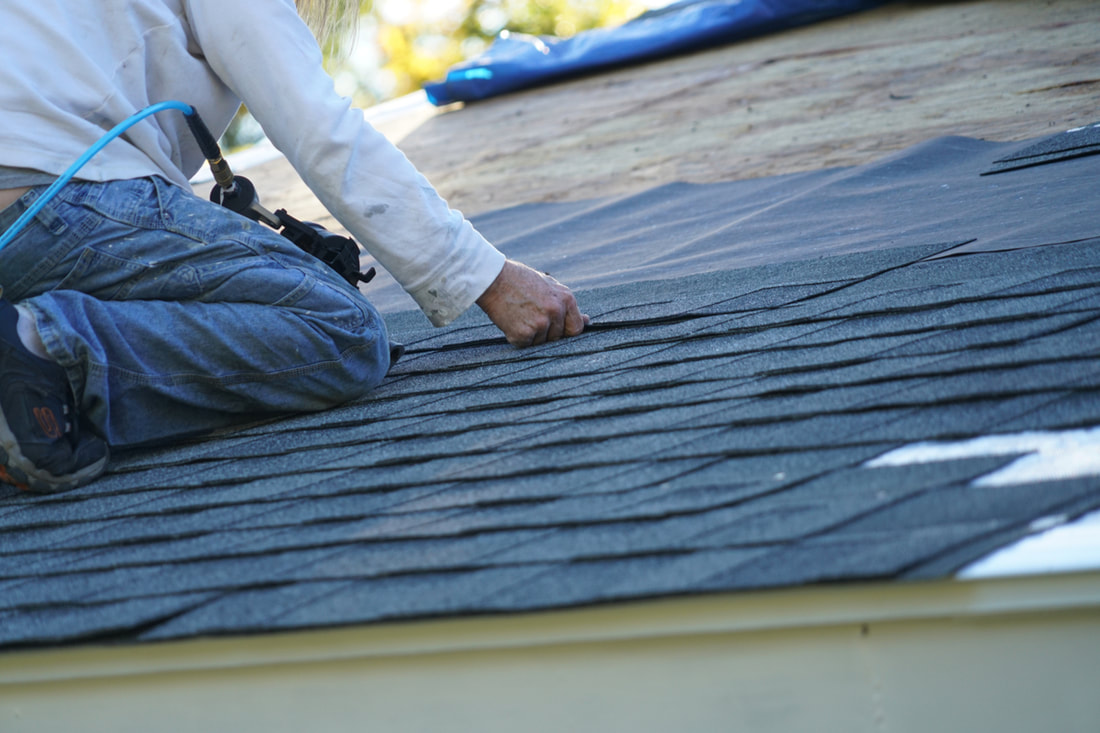 It costs around $4,000 a year to maintain a residential property in the United States. If you are like most homeowners, you realize how important it is to provide your residence with the care it deserves. Having a functional roof is something many people take for granted. There will come a time when the roof on your home starts to show signs of year. Dealing with the damage that an old roof causes can be expensive and frustrating. Instead of investing money in repairing a roof that is clearly worn out, you have to replace it. The following are warning signs you will probably notice when it is time to invest in a new roof. Missing Shingles Allow Water to Enter Your HomeAsphalt shingles are one of the most commonly used residential roofing materials in the United States. Most consumers prefer asphalt shingles because they are both affordable and durable. Once new shingles are installed on your roof, they will be exposed to direct sunlight multiple hours a day. This constant sun exposure will eventually make the shingles dry and brittle. Brittle shingles can be easily removed with high winds, which is why replacing them is important. Inspecting your home’s roof routinely allows you to discover problems early on. If you notice there are multiple shingles missing from your roof, you need to take action immediately. Having a new roof installed is easy if you have the right professionals on your side. At Boyd Construction Co. Inc., you can get the roofing installation help you need for an affordable price. Your Gutters Are Filled With Shingle GranulesA homeowner has to become familiar with every nook and cranny of their residence. Being familiar with the various parts of your home allows you to find and fix repair issues before they cause extensive damage. The gutters attached to your roof perform a very specific and important job. If the gutters are filled with shingle granules, they will be unable to drain properly. Older shingles will deteriorate over time, which is where these granules come from. By replacing your existing roof, you can fix these issues once and for all. A new roof will provide you with years of service before it needs to be repaired. This is why a new roof is such a great investment. Issues Involving Your Chimney FlashingThe metal flashing that goes around your chimney keeps water out of your home. If this flashing is bent or rusted, it will be unable to perform the job it was intended for. Often times, damaged flashing will only surface if the entire roof is in bad shape. Allowing professionals to inspect your roof is the best way to get some guidance regarding how to address the issues you are currently facing. Do You Need a New Roof?If your existing roof is showing signs of age, it might be time to replace it. Contact Boyd Construction Co. Inc. if you need help repairing or replacing your residential roof. 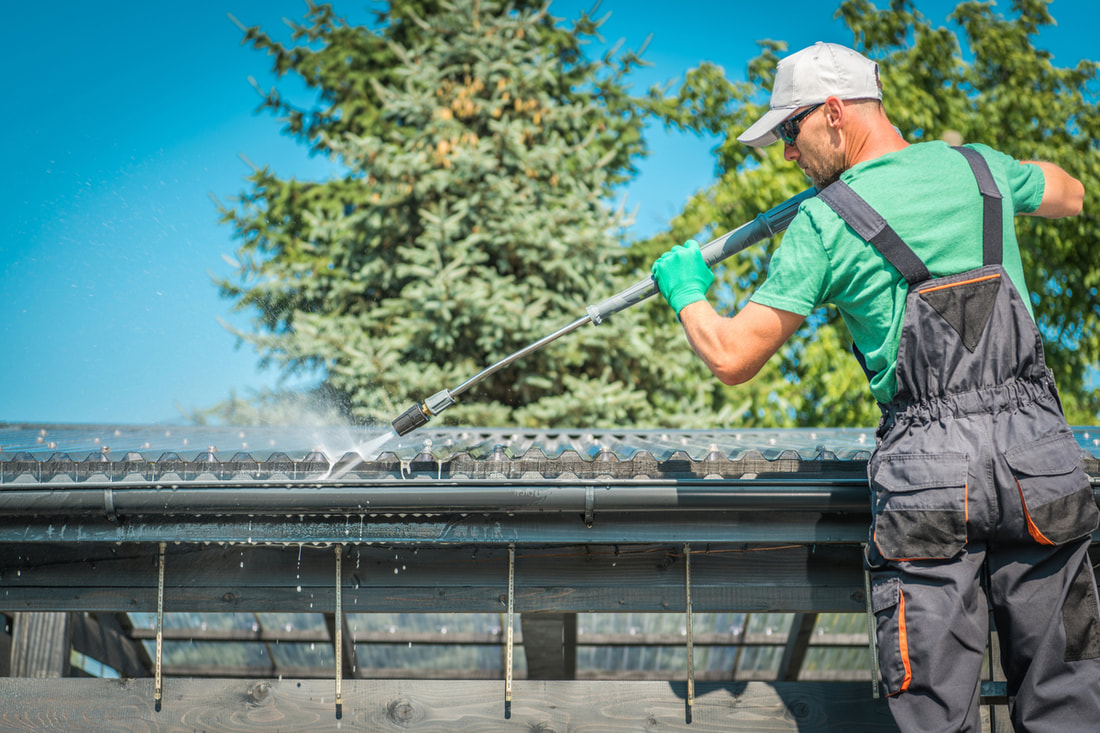 Your home’s gutters shield the walls, ceiling, doors, and foundation from all types of water damage that may occur. They also prevent basement flooding, reduce the possibility of soil erosion around your property, and protect the patios and fascia from water-related decay and staining. If you want to enjoy all the benefits offered by a well-maintained gutter system, you must ensure they are not clogged or blocked by dust, twigs, leaves, or other debris. Proper and professional gutter cleaning helps eliminate the debris out of the gutter system and ensuring they work as needed. Keep reading to learn about the main benefits offered by professional gutter cleaning. Prevents the Possibility of Water Damage to Your HomeA top reason to invest in professional gutter cleaning for your home is to prevent water damage. This is a leading cause of structural damage to your home. The purpose of gutters is to channel water off your roof and away from the house and foundation. If you have a clogged gutter, it may flood your foundation, reducing the building’s integrity. Along with impacting the foundation, a blocked gutter may also result in roof leaks that damage the walls, ceiling, fascia board, and more. Over time, the damage can affect your home’s stability and eventually reduce its value. Cleaning your gutters is a top option when trying to maintain your home. Eliminate Nesting Areas for Pests Another reason to invest in professional gutter cleaning is to eliminate the twigs, leaves, and other debris that can be used as nesting and breeding areas for pests such as mosquitoes, birds, insects, mice, and rats that may carry dangerous diseases. Additionally, debris present in your gutter can decompose, forming organic matter that can grow tree seedlings, mushrooms, and other plants. These can cause damage to your roof and create an eyesore on your home. With regular gutter cleaning, you can eliminate these nesting areas and eliminate the organic matter plants grow in. Prevent Landscaping Issues The landscaping elements around your home help improve the aesthetics of the space. Along with adding beauty around your home, landscaping also helps to increase your home value, regulate temperatures, and improve overall comfort. Unfortunately, if your gutters are clogged, this can cause damage to your landscaping. If there is unmanaged water because of clogged gutters, soil erosion may occur and sweep away your flowers and other elements. Clean gutters that are free from clots and blockages will channel rainwater away from the landscape, eliminating the possibility of soil erosion and other damage that could occur because of unmanaged water flow. Don’t Wait to Handle Gutter Issues When you are dealing with gutter issues, it is a good idea to call professionals for help. They can handle any gutter problems, clean them properly, and make any necessary repairs. With all the benefits, you can take advantage of clean gutters and the benefits they offer your home and landscaping. 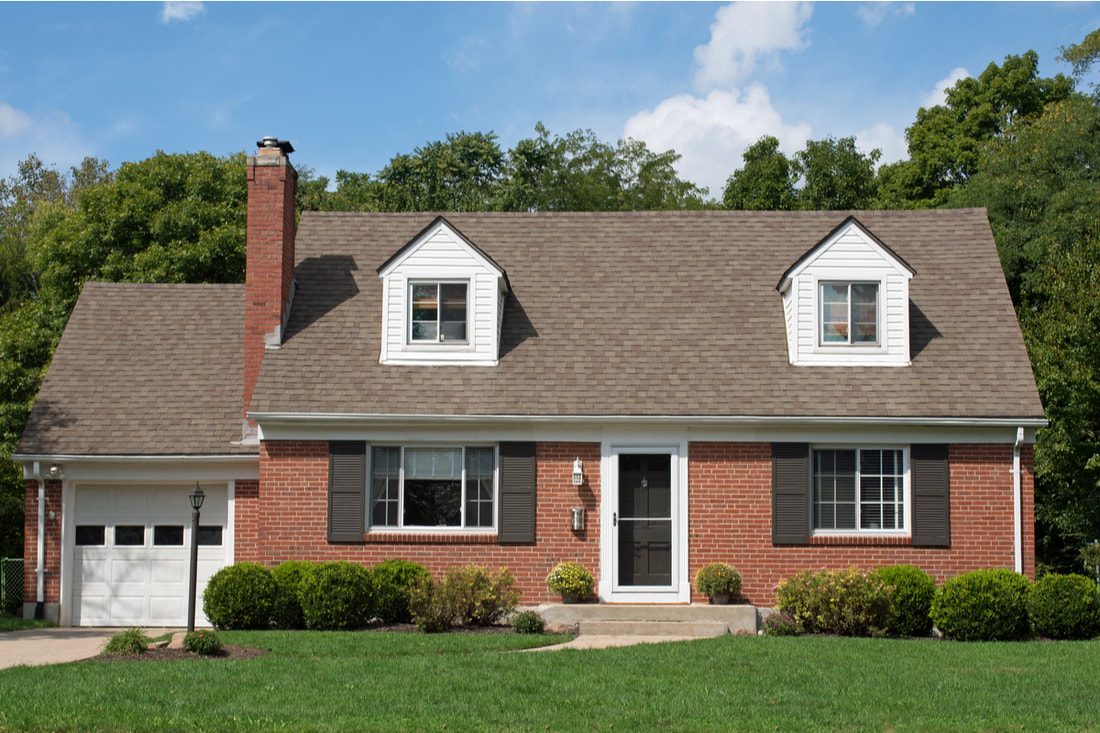 Brick homes have been among the most popular styles of residential architecture for decades. The durability and beauty of traditional brick make the material a top choice among homeowners and builders alike. When properly maintained, a brick home is not only energy-efficient but also long-lasting. With yearly inspection, check for wear and tear signs, and your brick home will prove to be a worthwhile investment. Know What To Look For Brick is a strong material that is typically resistant to most minor damages caused by wear and tear over the years. Brick is held together by mortar, which is where you should concentrate your inspection efforts. Mortar can begin to crumble and chip away over time, causing bricks to loosen. Mold, moss, and mildew can also form along the mortar, eventually leading to its decay, causing it to become brittle and crack. Clearing away any vines that grow on your house will help maintain the brick’s integrity, and cleaning it with mixtures of bleach and water will help remove most of the unsightly growth. Repair Crumbling Mortar Once you have made sure your bricks are cleaned well, you should repair any crumbling or missing mortar. You can easily do this by chipping out the bad mortar with a chisel, removing the damaged area. A bonding agent can then be painted on the remaining mortar, and new mortar applied. Once you have applied the new mortar mixture, you can finish the joint by running your finger along the channel to form a shallow depression and then clean off any remaining residue from the bricks before it dries. Replacing Damaged Brick Any damaged or loose bricks need to be replaced as well. Once the damaged bricks are removed, you can follow the same steps for mixing and applying mortar and set your new brick into place. An easy trick to replacing a brick is to apply mortar to the bottom of the opening first, putting the brick into place, and then finishing by adding mortar to the sides and top to seal it firmly. Check And Clear Weep Holes Brick walls are built with weep holes at their bases that allow moisture from the wall to drain outside. These small openings can get clogged occasionally with debris, which alters how they drain water. As part of your annual maintenance check, make sure the weep holes on your home’s brick siding are free and clear to keep the brick dry. Professional Attention As you inspect your brick siding for wear and tear and damage, you may find that you require professional assistance. For large projects or hard to reach areas, it is always best to consult with an experienced contractor to ensure that your home is repaired appropriately. Call Boyd Construction Co. Inc. today for all of your bricking or construction needs. |
AuthorWrite something about yourself. No need to be fancy, just an overview. Archives
July 2022
Categories |
Search by typing & pressing enter
 RSS Feed